Antioxidants for health
What are antioxidants?
Antioxidants are beneficial compounds found in certain natural foods, such as fruit, vegetables, grasses, grains etc and even some animal products (such as fish oils). They help to defend your cells from damage caused by potentially harmful molecules, known as free radicals.
How do free radicals damage the body?
When free radicals accumulate in the body (as a result of, for example, poor diet, exposure to pollution, stress and many other factors), they can lead to what is known as oxidative stress. This has the potential to damage your DNA and other important structures in your cells.
Chronic oxidative stress, where your body is repeatedly exposed to high levels of free radicals, can increase your risk of disease (including heart disease), place a strain on your immune system, lead to inflammation in the body and also accelerate the ageing process.
How are antioxidants good for health?
Fortunately, eating a diet rich in antioxidants can help to support your body in neutralising these harmful free radicals. What’s more, naturally antioxidant-rich foods tend to be alkalising, which can simultaneously help to address any inflammation.
What are the best antioxidant foods?
Scientists use several different methods to measure the antioxidant content of foods. However, one of the best tests is the FRAP (Ferric Reducing Ability of Plasma) analysis. It measures the antioxidant content of foods by how well they can neutralise a specific free radical. The higher the FRAP value, the more antioxidants the food contains.
Another method is the ORAC system. The ORAC unit (Oxygen Radical Absorbance Capacity), ORAC value, or ORAC score is a method developed by scientists at the National Institute of Health and Aging (NIH) to measures the antioxidant capacity of different foods. Whilst the exact relationship between the ORAC value of a food and its health benefit has not been fully established, it is generally believed that foods with higher ORAC scores have greater antioxidant capacity, and more effectively neutralise harmful free radicals.
Here are the some of the most notoriously antioxidant-rich foods…
- cloves
- sumac
- cinnamon
- oregano
- turmeric
- acai berries
- sorghum
- cocoa
- pecans
- wheatgrass
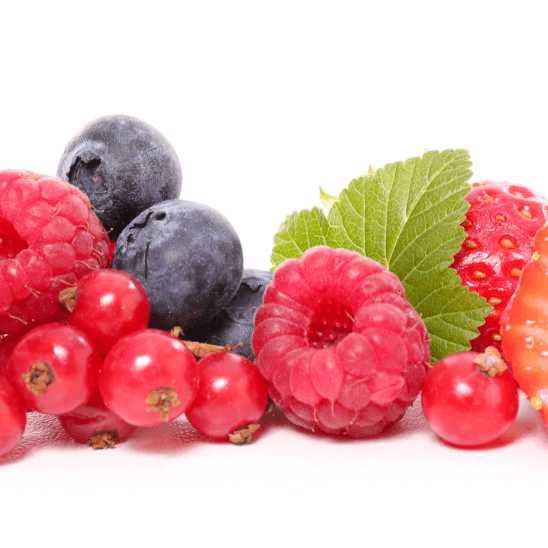
- blueberries
- krill oil
- artichokes
- goji berries
- kale
- raspberries
- beetroot
- cherries
- spinach
- and the list goes on.
If you are trying to integrate more antioxidants into your daily diet, seek out foods that are naturally rich in colour. The common phrase “eat the rainbow” is a good rule of thumb. The pigments that naturally colour these foods tend to contain the antioxidant compounds that are so beneficial for health! Certain vitamins, such as vitamin C and E, are also powerful antioxidants. You may therefore turn to antioxidant supplements for a reliable daily source, coupled with a well-balanced, varied and seasonal diet.
For more information, visit our main website