
Exercise health benefits
Why is exercise important?
Regular exercise is important for everybody, not just those who are looking to lose weight.
Our bodies operate best when they are engaged in regular activity. Conversely, health issues tend to crop up with your lifestyle is largely sedentary. The body craves movement and exertion, and it actually needs these things in order to function properly, to avoid muscle wastage and weakening, and to promote strength, vitality and longevity.
As obesity rates continue to rise, and we are seeing a growing older population, a lifestyle that includes regular exercise is a necessity. Ideally, this should be introduced at an early age for maximum benefit.
The bottom line is is to avoid inactivity for long periods; even some exercise is better than none at all. In other words, exercise is the key to good health and it can help to prevent a number of preventable health problems.
How can exercise support health?
Although exercise clearly helps to improve the appearance of the body (for example through weight loss and toning), it is also has countless other benefits for health.
Resistance training is often seen as being only for men or gym fanatics. However, exercise can take many forms and doesn’t necessarily have to involve the gym. For example, there is yoga, walking, running, cycling, boxing and countless others.
The important point to bear in mind is that exercise (any exercise) has a number of health benefits, which can contribute to the longevity and quality of life.
In particular, it is beneficial for:
- detoxification
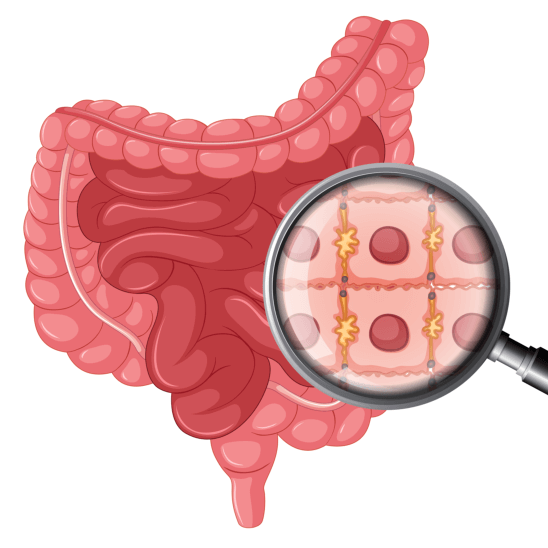
- healthy digestion
- heart health
- weight loss (including a healthy metabolism).
Exercise is also important for muscle and bone health, and has a key role to play in maintaining a robust immune system by, for example, stimulating the lymphatic system. It is widely believed that the lymphatic system is the body’s first line of defense against disease. Exercise also improves circulation, helping to bring new fuel and energy to every cell.
In considered so important by governments that, in both the USA and Europe, there are a number of national initiatives that call for physical activity and exercise to be standard elements of both disease prevention and medical treatment for all ages.
How does exercise promote weight loss?
One of the most common mistakes that people make when trying to lose weight (and likewise one of the biggest reasons for failure) is focussing all their efforts on changing their diet, without thinking about the essential role of increased levels of physical activity.
Ultimately, your weight is dependant on the balance between the number of calories consumed each day and the number of calories burned. The main way in which exercise can assist with weight loss is through the burning of additional calories. Both aerobic and weight bearing exercise can achieve this.
Dieting alone is not going to be enough to ensure you reach your ideal weight in a healthy way, especially for the long-term. In fact, a 2006 study (Weiss et al) undertaken by Saint Louis University compared the effects of exercise combined with dieting, versus diet alone in losing fat. Although both sets of participants lost weight, only those undertaking exercise maintained their strength and muscle mass and increased aerobic capacity. Those who dieted only, lost muscle mass, strength and aerobic capacity.
Research consistently shows that regular exercise, combined with a balanced diet, is the most efficient and healthy way to manage your weight. In particular, exercise can affect our metabolism – when we exercise and eat healthily, the metabolism has a tendency to speed up and burn off excess calories and fat that it would not otherwise do, during periods of inactivity.
Getting the most out of exercising
If you are new to regular exercise, it’s important to take it slow and, if necessary, consult your doctor, a personal trainer or other qualified health practitioner before implementing radical changes to your diet or starting a new exercise regime.
Similarly, there are a number of health supplements that can support healthy weight management, athletic performance and nutrient intake. Increasing your levels of exercise should be viewed as part of a wider initiative to improve your health, including improving your diet to ensure that your body is getting all the “fuel” it needs to operate optimally.
For example, slimmers often find that protein powders and meal shakes can be helpful, because not only can they provide a low calorie source of nutrients, but the high protein content is vital for maintaining and increasing muscle and bone mass, supporting energy levels, for tissue and cell repair, for keeping the immune system strong and for preventing fatigue. And if you can find a shake that is fortified with nutrients, all the better.
A number of studies have suggested that a high-protein diet combined with exercise can support the weight management process, enhance fat loss, boost metabolism, improve muscle tone and improve blood fat levels.
As protein can assist in the repair and growth of muscle, this tends to mean that more calories are burned each day. Higher-protein diets may also help people to gain better control over their appetites and calorie intake, help them to regulate their blood sugar levels and reduce cravings. When your heart beats faster and you breathe more rapidly, it helps to lower your blood sugar level (which is why exercise is even more important if you have diabetes).
Similarly, ensuring adequate vitamin and mineral intake is an important part of any weight management programme, to ensure that you are losing weight healthily. For instance, antioxidants (such as vitamin C) are important in preventing damage by free radicals, which can be released during detoxification processes.
For more information, visit our main website