
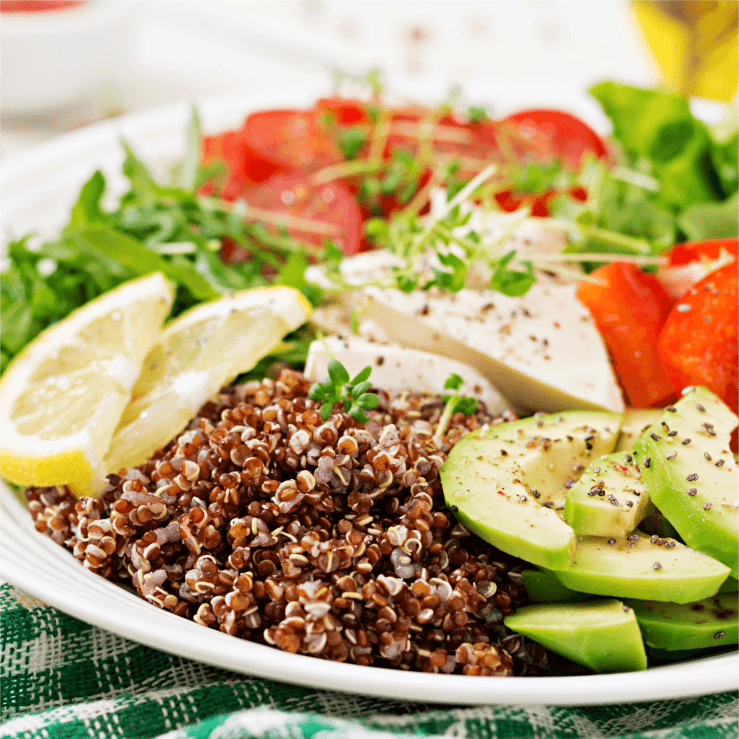
Quinoa nutrition
About quinoa
Quinoa is a fantastic example of plant-based protein, which not only offers a viable alternative for meat and other animal products, but also supplies a broad spectrum of other nutrients (such as vitamins, minerals and phyto-chemicals) at the same time.
An annual plant that originated in the Andean region of Ecuador, Bolivia, Colombia and Peru, quinoa was used by the Incas as a staple food. They also believed the crop to be sacred, not least because they recognised its value in supporting the stamina of their warriors.
Although often categorised along with other grains, quinoa is actually only a grain-like crop that is grown primarily for its edible seeds. As a chenopod – a sub-family of the flowering plant family Amaranthaceae – it is closely related to species such as Swiss chard, beets and spinach.
Nutrients in quinoa
Quinoa is highly nutritious, which means that it is now generally thought of as a “superfood” – a natural food with a high nutrient-per-calorie ratio. It is naturally low in fat and calories and contains:
- an incredibly high level of protein (18%) – more than grains
- Essential Fatty Acids – “good” fats that are required for a healthy body and mind
- iron
- calcium
- phosphorus
- magnesium – a mineral that acts as a co-factor for more than 300 enzymes, including those involved in the body’s use of glucose and insulin ecretion
- manganese – a mineral that serves as a co-factor for the superoxide dismutase enzyme (an antioxidant that helps to protect the body against the damage caused by free radicals)
- tryptophan
- folate
- copper
- riboflavin (vitamin B2)
- beneficial dietary fibre (both soluble and insoluble)
- and a balanced set of essential amino acids, such as lysine (essential for tissue growth and repair) – making it a complete protein source for humans. By contrast, wheat and rice are low in lysine.
Gluten
As mentioned above, quinoa is a pseudo-cereal; it is not a grain, as it isn’t a member of the grass family.
It is gluten-free and considered easy to digest. Quinoa is not a commonly allergenic food and is not known to contain measurable amounts of purines.
Integrating quinoa into your daily diet
If you love carbohydrates, but are trying to stick to a lean and healthy high-protein diet, quinoa is a fantastic alternative! It has the nutty taste of brown rice crossed with oatmeal and has a pleasant fluffy, creamy and crunchy texture.
Although a seed, quinoa can be prepared like whole grains such as rice or barley – except it takes less time to cook than other whole grains – just 10 to 15 minutes. It is extremely versatile and can be prepared in a variety of ways.
For more information, visit our main website